Traditional waste audits answer
“What did we find today?”
A single snapshot in time, at a single place, using a single method.
TakaData develops standardized monitoring methods and the shared data infrastructure needed to identify littering hotspots, understand waste leakage, and support infrastructure planning, policy, Extended Producer Responsibility (EPR), and community action.
Why TakaData?
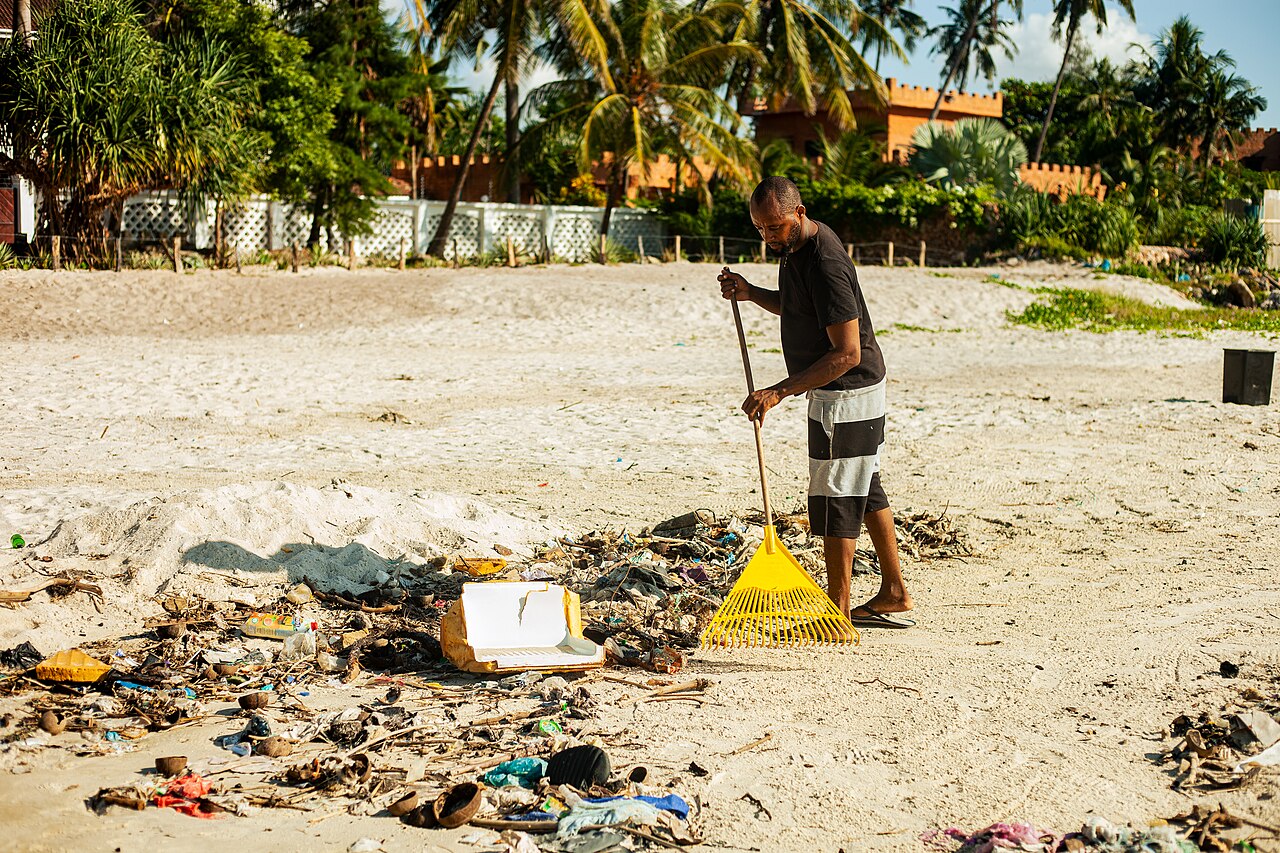
Today, litter data is collected using different methods, at different locations, and for different purposes. The result is fragmented evidence that cannot be compared across places or over time.
Without standardized monitoring:
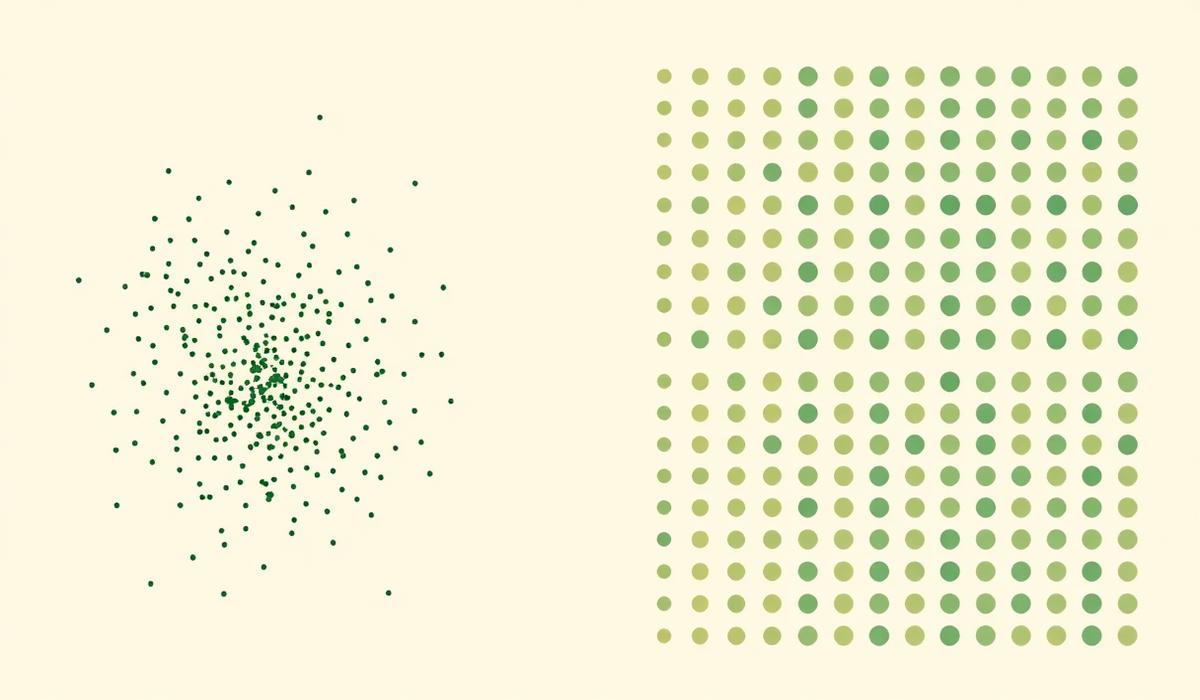
Before
Fragmented surveys
With TakaData
Comparable evidence
Our Approach
TakaData is building the data infrastructure for waste by combining standardized monitoring protocols with open environmental data. Every monitoring site follows the same methodology, allowing observations to be compared across locations and over time.
This creates a growing evidence base that helps answer questions such as:


Share of counted items
Which activities contribute most to littering.
How TakaData Works
Survey permanent monitoring sites using a standardized protocol.
Measure environmental conditions consistently across locations and seasons.
Identify littering hotspots, pollution patterns, contributing activities, and behavioural drivers.
Provide evidence that supports infrastructure planning, policy, by-laws, EPR, research, and community interventions.
What Makes TakaData Different
Traditional waste audits answer
“What did we find today?”
A single snapshot in time, at a single place, using a single method.
TakaData answers
“What is changing over time, why is it happening, and what should we do about it?”
A continuous, comparable record across sites and seasons - built to support decisions.
Looking Ahead
Decision support tools
Evidence-driven waste management
Get involved
Governments, researchers, NGOs, businesses, and communities all play a role in creating better environmental data. Join us in building trusted evidence for better waste management decisions.